
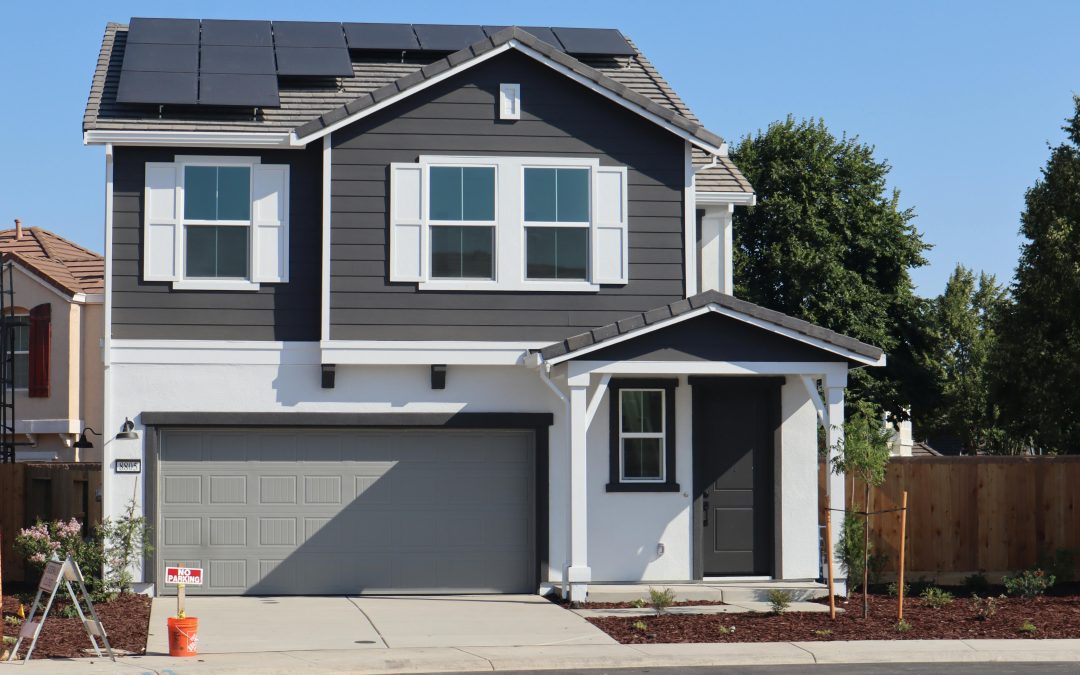
Thinking about adding a porch to your home? It’s a great way to boost curb appeal, create outdoor living space, and even increase property value. But before you picture cozy chairs and potted plants, there’s an important question to tackle: What foundations are needed for a porch?
The foundation is the backbone of any structure, and porches are no exception. Without the right one, your porch could shift, crack, or even sink over time. Don’t worry though — this guide will walk you through everything you need to know.
Why the Foundation Matters
Your porch needs to be able to support weight, resist weather changes, and stay level over the years. A proper foundation:
- Prevents sinking or tilting
- Supports structural loads like roofs, columns, and furniture
- Helps manage moisture and frost movement
- Adds long-term safety and stability
Now let’s look at the main types of foundations used for porches.
Common Types of Porch Foundations
The best foundation depends on your porch design, soil conditions, and local building codes. But here are the most common ones:
1. Concrete Slab Foundation
This is a solid, flat concrete base poured directly onto a prepared surface. It’s often used for ground-level porches or small sunrooms.
Best for:
- Simple, low-profile porches
- Areas with stable soil
Pros:
- Quick to install
- Cost-effective
- Low maintenance
Cons:
- May crack if not reinforced properly
- Not ideal in areas with a lot of freeze-thaw movement
2. Pier and Beam Foundation
Also called post-and-beam, this foundation uses vertical piers (usually concrete) that support beams holding up the porch floor. It keeps the porch elevated and is great for uneven ground.
Best for:
- Elevated or wraparound porches
- Sloped or soft terrain
Pros:
- Good for ventilation under the porch
- Easier access to utilities
- Handles soil movement better than slabs
Cons:
- Requires precise installation
- May need skirting for visual appeal
3. Full Basement or Crawl Space Foundation
If the porch is part of a home extension or enclosed area like a sunroom, it might need a full foundation similar to your house’s. This usually includes poured concrete walls and footings.
Best for:
- Heated porches or enclosed rooms
- Home additions with matching structure
Pros:
- Strong and stable
- Can be insulated for energy efficiency
Cons:
- Higher cost
- Longer build time
How Deep Should Porch Foundations Be?
One size doesn’t fit all here. In general, foundations need to extend below the frost line to prevent damage from freezing soil. This depth varies depending on where you live. For example:
- In warmer climates: 12–18 inches deep
- In colder regions: 36 inches or more
Local building codes usually provide the minimum depth required, so it’s important to check with your local authority or consult a contractor.
Do All Porches Need Foundations?
If your porch is freestanding, temporary, or very small (like a step or platform), it might not need a full foundation. However, if it’s attached to your home, supports a roof, or gets regular use, a solid foundation is almost always necessary.
Key Considerations Before Building
Before you start digging or pouring concrete, here are a few important steps:
- Check local building codes: Some areas require permits, inspections, or specific types of footings.
- Get a soil test if needed: In areas with unstable or clay soil, a soil report can help determine the best foundation.
- Think about drainage: Make sure water won’t pool around or under your porch, which can lead to rot or erosion.
- Work with a pro if unsure: Foundations can be tricky, and getting it wrong can be costly to fix later.
Final Thoughts: Start Strong, Stay Strong
So, what foundations are needed for a porch? The answer depends on your porch’s size, style, and setting. Whether you go with a concrete slab, pier and beam, or a full foundation, the most important thing is doing it right from the start.
A solid foundation keeps your porch safe, level, and looking great for years to come. It may not be the flashiest part of the project, but it’s definitely one of the most important. If in doubt, don’t hesitate to consult a builder or contractor to make sure your porch gets off to a strong start.