
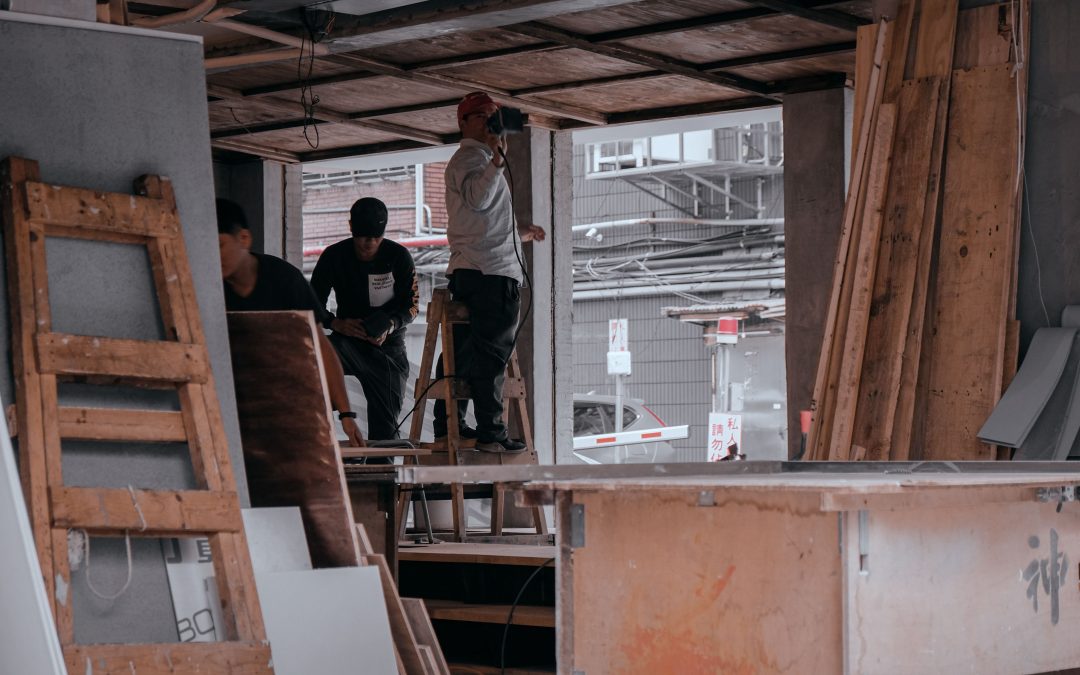
Whether you’re building a new home, renovating a kitchen, or adding an extra room, every construction project comes with challenges. Even small mistakes can lead to costly delays, unexpected expenses, and unnecessary stress. The good news is that many of the most common construction problems can be prevented with careful planning and informed decision-making.
Understanding how to avoid common construction mistakes is one of the best ways to protect your investment. By taking the time to plan properly, hire qualified professionals, and communicate clearly throughout the project, you can help ensure a smoother building experience from start to finish.
According to the Construction Industry Institute (CII), thorough front-end planning is one of the strongest predictors of successful construction projects, often improving cost control and reducing schedule delays. That makes preparation just as important as the actual building process.
In this guide, you’ll discover practical strategies that can help you avoid common pitfalls and keep your project moving in the right direction.
Start With a Detailed Plan
Every successful construction project begins with a clear plan.
Before any work starts, define:
- Your goals
- Project scope
- Budget
- Timeline
- Design preferences
The more details you establish early, the fewer changes you’ll need during construction.
Changing plans after work begins often increases both costs and project timelines.
Set a Realistic Budget
One of the biggest mistakes homeowners make is underestimating construction costs.
A realistic budget should include:
- Materials
- Labor
- Permits
- Inspections
- Design fees
- Landscaping if applicable
- A contingency fund for unexpected expenses
Many construction professionals recommend setting aside about 10 to 20 percent of your budget for unforeseen issues that may arise during the project.
Proper budgeting is an essential part of learning how to avoid common construction mistakes.
Hire Qualified Contractors
Choosing the right contractor can make a significant difference in your project’s outcome.
Before hiring anyone:
- Verify licenses if required.
- Confirm insurance coverage.
- Read customer reviews.
- Ask for references.
- Review previous projects.
A reputable contractor should also provide a detailed written estimate and answer your questions openly.
Taking time to research professionals can prevent many costly problems later.
Don’t Skip Permits
Permits may seem like extra paperwork, but they play an important role in ensuring construction meets local building codes.
Skipping required permits can lead to:
- Fines
- Delays
- Failed inspections
- Problems when selling your home
Check with your local building department or contractor to determine which permits are required before construction begins.
Choose Quality Materials
Trying to save money by selecting the cheapest materials often leads to higher maintenance and replacement costs in the future.
Instead, focus on value rather than simply the lowest price.
Quality materials generally offer:
- Better durability
- Longer lifespan
- Improved energy efficiency
- Better overall performance
Investing wisely today can reduce repair costs for years to come.
Communicate Clearly Throughout the Project
Miscommunication is one of the leading causes of construction delays and misunderstandings.
Maintain regular communication with your contractor by discussing:
- Project progress
- Upcoming work
- Material selections
- Budget updates
- Schedule changes
Ask questions whenever something seems unclear.
Clear communication helps everyone stay on the same page.
Avoid Making Frequent Design Changes
It is natural to have new ideas during construction, but frequent changes can quickly become expensive.
Changing layouts, finishes, or structural elements after work has started may require:
- Additional labor
- New materials
- Updated permits
- Revised schedules
Finalize as many decisions as possible before construction begins.
This simple step helps reduce both costs and delays.
Schedule Regular Site Visits
Even if you’re working with an experienced contractor, regular site visits allow you to monitor progress and address questions early.
During visits, look for:
- Work quality
- Material delivery
- Clean job sites
- Safety practices
- Progress compared to the timeline
Small concerns are usually much easier to resolve before they become major issues.
Prepare for Unexpected Challenges
Every construction project carries some level of uncertainty.
Unexpected discoveries may include:
- Hidden water damage
- Foundation issues
- Outdated electrical systems
- Plumbing problems
Having a contingency fund and flexible timeline makes these situations easier to manage without causing unnecessary stress.
Understand Your Contract
Never begin construction without a written contract.
Your agreement should clearly outline:
- Scope of work
- Total cost
- Payment schedule
- Timeline
- Warranty information
- Change order process
Read every section carefully before signing.
A detailed contract protects both you and your contractor throughout the project.
Keep Good Records
Organization becomes increasingly important as construction progresses.
Save copies of:
- Contracts
- Receipts
- Permits
- Inspection reports
- Product warranties
- Change orders
These documents may prove valuable if questions arise later or if you decide to sell your home.
Keeping organized records is another important step in understanding how to avoid common construction mistakes.
Prioritize Safety
Construction sites can present various hazards.
Whether you’re managing the project yourself or hiring professionals, safety should always remain a top priority.
Basic safety practices include:
- Keeping work areas clean
- Wearing appropriate protective equipment
- Following local safety regulations
- Restricting unauthorized access to the site
A safe work environment helps reduce accidents and project interruptions.
Don’t Rush the Timeline
Everyone wants construction finished quickly, but rushing often leads to mistakes.
Allow adequate time for:
- Material delivery
- Inspections
- Drying and curing
- Weather delays
- Final quality checks
Patience during construction often results in higher-quality workmanship.
Perform a Final Walkthrough
Before making the final payment, inspect the completed project carefully.
Check that:
- Work matches the contract.
- Fixtures operate correctly.
- Finishes meet expectations.
- Cleanup has been completed.
- Any remaining issues are documented.
Creating a final punch list ensures outstanding items are resolved before the project officially concludes.
Conclusion
Learning how to avoid common construction mistakes begins with thoughtful planning, realistic budgeting, careful contractor selection, and consistent communication. While no construction project is completely free of challenges, many costly problems can be prevented by making informed decisions before and during the building process.
Take your time, ask questions, and stay involved from start to finish. By focusing on preparation, quality, and organization, you’ll increase the likelihood of completing a successful project that adds lasting value and enjoyment to your home.