
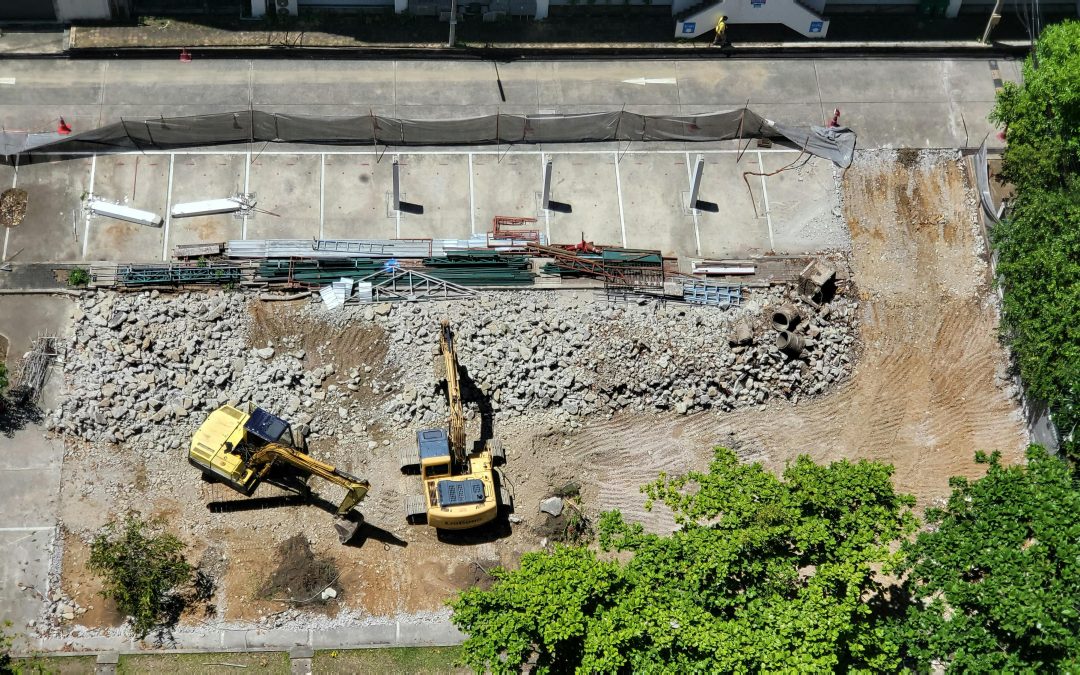
Vacant lots often represent opportunity, but starting construction on vacant lots can feel overwhelming if you are unsure where to begin. From zoning regulations to site preparation, there are many factors to consider before breaking ground.
Whether you are a first-time builder or an experienced developer, understanding the process can save time, money, and stress. With careful planning, even an empty lot can be transformed into a functional and attractive property.
Understanding Local Regulations
Before starting construction on vacant lots, it is crucial to check local zoning laws and building codes. These regulations determine what you can build and how it must be constructed.
Key steps include:
- Checking zoning designation for the lot
- Understanding setback requirements and height limits
- Confirming utility access for water, electricity, and sewage
- Obtaining necessary permits and approvals
According to the National Association of Home Builders, failing to adhere to local codes can lead to fines, delays, or even having to remove structures. Early compliance is essential.
Assessing the Lot
Not all vacant lots are ready for construction. Proper assessment ensures you know the lot’s condition and any potential challenges.
Consider these factors:
- Soil stability and drainage conditions
- Environmental restrictions or protected areas
- Accessibility for construction vehicles
- Existing vegetation or debris removal
Hiring a professional surveyor or civil engineer can help you avoid surprises during construction.
Planning the Design
Once the lot is cleared and assessed, planning the design comes next. Your plans should balance functionality, aesthetics, and budget.
Tips for planning:
- Work with an architect or designer for professional guidance
- Consider natural features of the lot, like slope or sunlight
- Plan for future needs, such as expansions or landscaping
- Ensure compliance with local building codes
A well-thought-out design makes starting construction on vacant lots smoother and more efficient.
Preparing the Site
Site preparation is a critical step before construction begins. This involves clearing the land, leveling the ground, and setting up temporary infrastructure.
Common tasks include:
- Removing trees, rocks, or debris
- Excavation and grading
- Installing temporary access roads or fences
- Connecting water, electricity, and sewer systems
Proper site preparation reduces delays and ensures a safer construction environment.
Choosing a Contractor
Selecting the right contractor can make or break a project. Experienced professionals understand local regulations and construction processes.
Consider these when choosing:
- Track record with similar projects
- References and reviews from previous clients
- Licensing and insurance verification
- Transparent pricing and clear contracts
A reliable contractor keeps the project on schedule and helps avoid costly mistakes.
Budgeting and Financing
Construction projects can become expensive if budgets are not carefully planned.
Steps to manage finances:
- Obtain detailed cost estimates before starting
- Include a contingency fund for unexpected expenses
- Consider financing options if needed
- Monitor spending throughout construction
According to industry data from HomeAdvisor, unexpected costs can account for up to 20% of construction budgets, so planning ahead is essential.
Scheduling and Project Management
Starting construction on vacant lots requires a clear timeline to ensure tasks are completed efficiently.
Tips include:
- Break down the project into phases
- Track progress and adjust timelines as needed
- Communicate regularly with contractors and suppliers
- Schedule inspections and approvals throughout construction
Effective project management minimizes delays and keeps the construction process organized.
Incorporating Utilities and Infrastructure
New construction requires proper utility connections for electricity, water, gas, and sewage.
Consider:
- Confirming utility lines are available and accessible
- Coordinating with utility companies for installation
- Installing temporary connections for construction needs
- Planning for long-term infrastructure like driveways and drainage
Utilities are often overlooked but essential for a fully functional property.
Landscaping and Exterior Features
Even while building, think ahead about exterior spaces. Landscaping and outdoor features enhance the property’s usability and appeal.
Ideas include:
- Planting trees or shrubs for shade and aesthetics
- Adding walkways or patios
- Installing drainage systems to prevent water issues
- Planning lighting for security and visual appeal
Well-planned exterior features add value and comfort to the property.
Final Thoughts
Starting construction on vacant lots is a rewarding process when approached strategically. From regulatory compliance and site assessment to budgeting and contractor selection, careful planning ensures a smoother project.
By taking the time to prepare and organize, you can transform an empty lot into a functional and attractive property that meets your needs. Smart planning and professional support are the keys to success.