
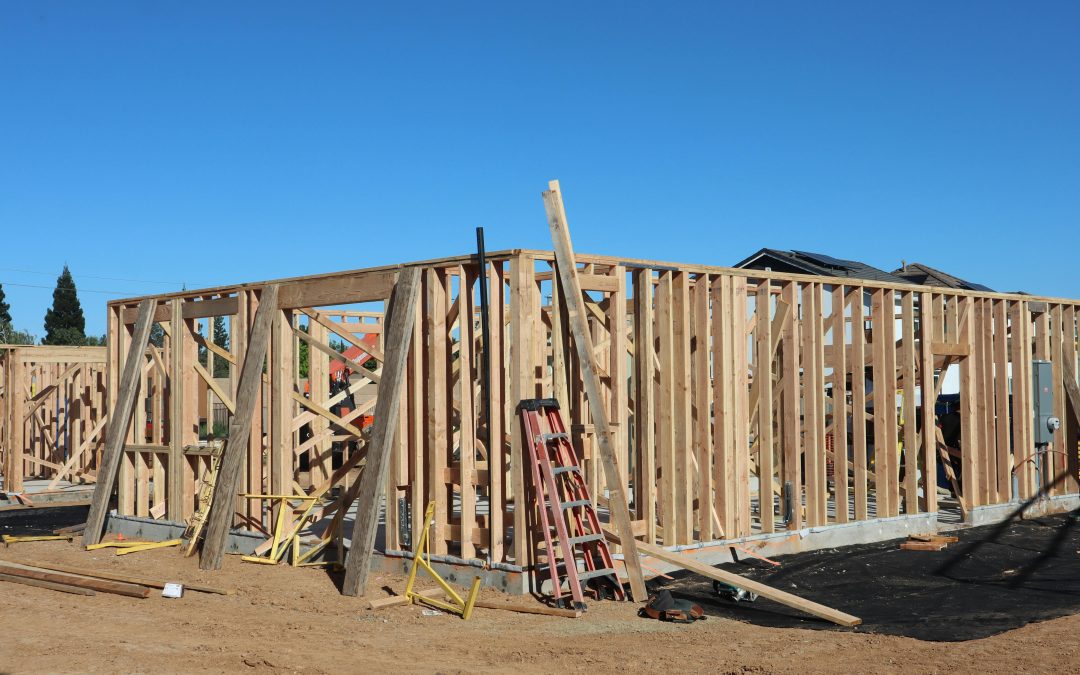
When you think about a house, it is easy to focus on the paint, the kitchen, or the flooring. But what really holds everything together is something most people never see once the project is finished: the structure. That is where a residential framing and structural construction contractor becomes absolutely essential.
Framing is the skeleton of a home. If it is done right, everything else fits perfectly and lasts for decades. If it is done poorly, even the most beautiful finishes cannot hide the problems underneath.
Why Structural Framing Is the Backbone of Every Home
Framing is the stage where a house starts to feel real. It is when walls, floors, and roof structures are built, creating the shape of the home.
According to the National Association of Home Builders, framing typically makes up about 18 to 22 percent of the total construction cost of a new home. That shows how important this stage is in the overall building process.
A skilled residential framing and structural construction contractor ensures that this foundation is precise, stable, and ready for everything that comes next.
What a Residential Framing Contractor Actually Does
Many people hear the term framing and think it is just about putting up wooden beams. In reality, it is much more technical and detail-oriented.
A professional residential framing and structural construction contractor typically handles:
- Building the structural skeleton of the house
- Installing floor systems and wall framing
- Constructing roof trusses and support systems
- Ensuring load-bearing walls are properly placed
- Reading and executing architectural blueprints
- Coordinating with electricians and plumbers for layout planning
Every measurement matters because even a small mistake can affect the entire structure later.
Why Structural Accuracy Is So Important
In construction, precision is everything. A home is not just built to stand, it is built to withstand weather, weight, and time.
A well-trained residential framing and structural construction contractor focuses on:
- Proper alignment of walls and floors
- Accurate load distribution
- Compliance with building codes
- Long-term durability of the structure
- Safety of future occupants
Even minor framing errors can lead to uneven floors, cracks in walls, or roof instability. That is why experience matters so much in this field.
The Stages of Residential Framing
Framing is not a single step. It is a process that happens in stages, each one building on the last.
Here is how it typically works:
- Site preparation and foundation inspection
- Floor framing installation
- Wall framing construction
- Roof framing and truss installation
- Structural inspection and adjustments
A professional residential framing and structural construction contractor ensures each stage is completed correctly before moving to the next one.
Materials Used in Modern Framing
Most residential framing today uses wood, steel, or a combination of both depending on the design and location.
Common materials include:
- Dimensional lumber for traditional wood framing
- Engineered wood for stronger and more stable support
- Steel framing for commercial-style durability
- Concrete and reinforcement materials for hybrid designs
Each material has its advantages, but choosing the right one depends on climate, budget, and building design.
The Role of Building Codes and Safety Standards
Construction is highly regulated to ensure safety and durability. Building codes define everything from wall spacing to load limits.
A professional residential framing and structural construction contractor must follow local and national building regulations strictly. These rules are not optional because they protect both the structure and the people living in it.
For example:
- Load-bearing walls must meet specific strength requirements
- Roof structures must support expected weather conditions
- Seismic zones require additional reinforcement
- Fire safety spacing must be maintained in framing design
Ignoring these standards can lead to serious structural issues later.
How Framing Affects the Entire Construction Process
Framing is not just one step in building a home. It directly impacts every other stage of construction.
For example:
- Electrical wiring depends on wall framing layout
- Plumbing systems are installed within framed walls
- Insulation fits into framed cavities
- Drywall attaches directly to framing structure
This is why hiring an experienced residential framing and structural construction contractor is so important. Everything that follows depends on the accuracy of this stage.
Common Mistakes in Poor Framing Work
When framing is not done correctly, problems often appear later in the construction process or even after the home is completed.
Some common issues include:
- Uneven or slanted walls
- Weak roof support structures
- Misaligned doors and windows
- Cracks in drywall over time
- Poor insulation fit due to incorrect spacing
These problems are expensive to fix once the house is finished, which is why proper framing from the start is essential.
Why Experience Matters in Structural Construction
Framing is not just physical labor. It requires skill, planning, and a deep understanding of structural engineering principles.
An experienced residential framing and structural construction contractor brings:
- Accurate blueprint interpretation skills
- Knowledge of load distribution systems
- Efficiency in material usage
- Ability to solve on-site construction challenges
- Coordination with other construction teams
This level of expertise helps ensure the project runs smoothly from start to finish.
A Real-World Perspective on Framing Importance
Think of a house like a human body. The framing is the skeleton. Without a strong skeleton, the body cannot function properly, no matter how good the outside looks.
Similarly, a home may have beautiful finishes, but without strong framing, it will not stand the test of time.
This is why homeowners and builders place so much trust in a residential framing and structural construction contractor during the early stages of construction.
Final Thoughts
Building a home is one of the biggest investments most people will ever make. While design and finishes often get the most attention, the real strength of a house lies in its structure.
A skilled residential framing and structural construction contractor ensures that the foundation of your home is solid, safe, and built to last. When the framing is done right, everything else in the construction process becomes more reliable and efficient.
In the end, a strong home always starts with a strong frame.