
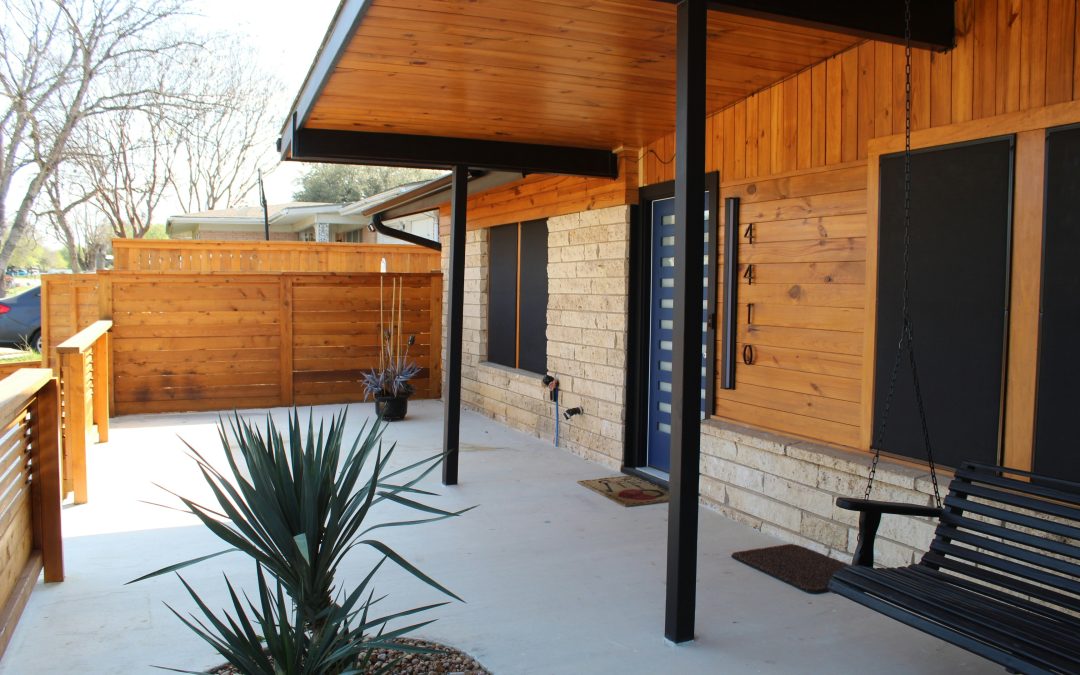
A porch is more than just an entryway—it’s the first impression of your home and a versatile space for relaxation and connection. In recent years, modern porch design has evolved from simple front steps to elegant, functional outdoor living areas that seamlessly blend comfort, style, and architecture. Whether you’re building from scratch or updating an existing space, the right design choices can turn your porch into a welcoming extension of your home.
What Defines a Modern Porch Design
Modern porches emphasize simplicity, clean lines, and thoughtful use of materials. Unlike traditional wraparound or colonial-style porches, modern designs prioritize minimalism, functionality, and harmony with the home’s architecture.
Key characteristics of modern porch design include:
- Geometric forms: Straight edges, rectangular layouts, and balanced proportions.
- Neutral color palettes: Whites, blacks, grays, and natural tones.
- Mixed materials: A combination of wood, metal, stone, and glass.
- Open spaces: Fewer columns and more light for an airy, uncluttered look.
- Indoor-outdoor flow: Large doors or sliding glass panels that connect the porch to the living area.
The goal is to create a space that feels both stylish and functional—a modern sanctuary that complements the entire house.
1. Minimalist Front Porch Ideas
A minimalist porch focuses on simplicity and form. Instead of ornate details, think clean surfaces and functional elements.
- Use smooth concrete or composite decking for sleek flooring.
- Incorporate linear planters with greenery to soften the space.
- Keep furniture minimal—one or two chairs with clean lines and neutral cushions are enough.
- Add subtle lighting such as recessed ceiling fixtures or small LED step lights.
Minimalist porches work best for contemporary or mid-century homes where less is more. The focus is on balance and open space rather than decoration.
2. Modern Materials and Finishes
Material selection plays a major role in shaping a porch’s look and feel. Modern porch design often uses a mix of textures to create visual interest without clutter.
- Wood: Natural or stained timber brings warmth to modern exteriors. Opt for cedar, ipe, or teak for durability.
- Steel and aluminum: Perfect for railing, posts, or accents—they offer a clean industrial contrast.
- Glass: Use glass balustrades or partitions for a sleek, transparent finish.
- Concrete: A favorite for modern porches—durable, neutral, and easy to style with plants or furniture.
- Stone cladding: Adds a natural yet refined touch, especially when paired with minimalist architecture.
Combining these materials thoughtfully creates a balanced, cohesive aesthetic that feels current yet timeless.
3. Seamless Indoor-Outdoor Connection
One hallmark of modern porch design is the blurred boundary between indoors and outdoors. Instead of treating the porch as a separate area, designers integrate it with the home’s main living space.
- Install sliding or folding glass doors to connect the living room to the porch.
- Use similar flooring materials inside and out for a continuous look.
- Extend your indoor lighting scheme outdoors for visual consistency.
- Add comfortable seating, such as a sectional or lounge chairs, to make it an inviting space for relaxation.
This design approach not only enhances flow but also encourages outdoor living—a defining feature of modern architecture.
4. Smart Lighting for Modern Appeal
Lighting can make or break a porch design. Modern porches benefit from strategic, subtle illumination that enhances ambiance without overwhelming the architecture.
- Recessed ceiling lights offer soft, even illumination.
- LED strip lights along steps or railings improve safety and add visual drama.
- Wall-mounted fixtures in matte black or brushed steel give a sleek, contemporary finish.
- Pendant lights or sconce pairs by the front door provide a warm, welcoming glow.
For energy efficiency, opt for motion sensors or solar-powered lights. The right lighting transforms your porch into an inviting retreat after sunset.
5. Furniture and Decor for a Modern Porch
Modern porch furniture blends comfort with clean, architectural style. Avoid ornate pieces or overly bright colors. Instead, focus on durable, minimalist items.
- Choose low-profile seating—modular sofas, benches, or streamlined chairs.
- Add side tables made from wood or metal for functionality.
- Incorporate neutral cushions or textiles with subtle patterns for comfort.
- Use planters with sculptural shapes to introduce greenery without clutter.
Decor should feel intentional and minimal. A single statement piece—like a large pot, modern sculpture, or outdoor rug—can anchor the space.
6. Covered and Screened Modern Porches
A modern porch doesn’t have to be open-air. Covered or screened porches extend usability while maintaining clean design lines.
- Covered porches: Add a flat or sloped roof extension using steel beams or wooden panels. Include ceiling fans or heaters for year-round comfort.
- Screened porches: Use slim black or bronze frames to enclose the space without blocking views. These designs provide shade, privacy, and insect protection while keeping the airy feel intact.
With modern materials like glass panels or retractable screens, your porch can easily transition between open and enclosed depending on the weather.
7. Adding Greenery and Natural Elements
Modern design often balances minimalism with natural touches. Incorporating plants softens clean lines and brings warmth to the structure.
- Add planter boxes built into railings or steps.
- Use vertical gardens or green walls to save space and create texture.
- Choose architectural plants like succulents, bamboo, or ornamental grasses for a sleek look.
- Mix concrete or metal finishes with natural wood or stone for contrast.
The result is a harmonious space where nature complements geometry, offering both visual and emotional balance.
8. Sustainable Modern Porch Design
Modern design and sustainability go hand in hand. Environmentally conscious choices not only benefit the planet but also enhance long-term comfort and efficiency.
- Use recycled or locally sourced materials.
- Install energy-efficient lighting and ceiling fans.
- Opt for sustainable wood certified by FSC (Forest Stewardship Council).
- Incorporate rainwater collection systems in roof designs.
- Choose native plants that require minimal water and maintenance.
A sustainable porch aligns with the modern philosophy of responsible, intentional living.
9. Front Porch vs. Back Porch Styles
Modern design works beautifully for both front and back porches, though each serves a different purpose.
- Front porch: Focus on curb appeal and symmetry. Add lighting, a stylish door, and simple seating to create a welcoming entrance.
- Back porch: Prioritize comfort and entertainment. Include lounge furniture, an outdoor kitchen, or a small fire pit for a cozy retreat.
The key is consistency—both should share the same design language and material palette to maintain visual harmony.
Final Thoughts
A modern porch design combines function, style, and comfort to create a true outdoor living experience. With sleek materials, clean lines, and thoughtful details, your porch can become an elegant transition between your home and the natural world.
Whether you want a simple, minimalist entryway or a fully furnished outdoor lounge, the modern approach prioritizes calm, connection, and clarity. Every element—from lighting and materials to plants and furniture—works together to reflect your personal style while enhancing everyday living.
With the right design, your porch isn’t just a threshold—it’s a lifestyle statement.