
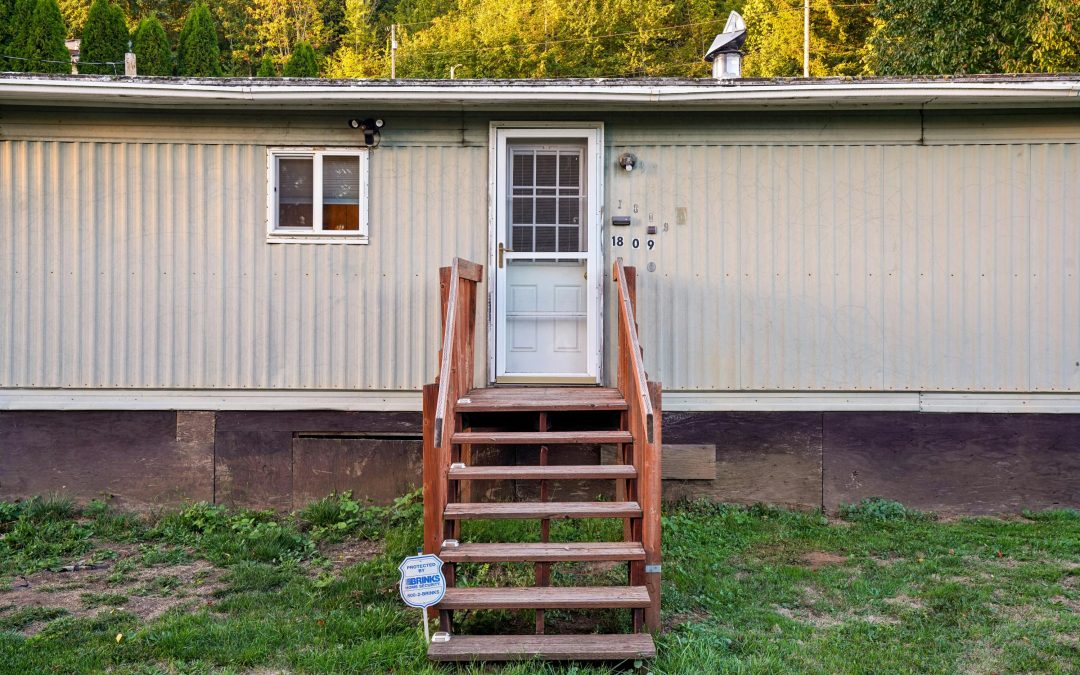
Your front steps do a lot more than just get you in the door. They’re part of your home’s first impression, they contribute to your safety, and they should stand up to daily use and all kinds of weather. Whether you’re replacing old stairs or setting up a brand-new entryway, choosing the right mobile home steps can make a big difference in comfort, function, and curb appeal.
If you’re not sure where to start, you’re in the right place. In this guide, we’ll walk you through the most popular materials, safety features, design options, and what to look for when planning your upgrade.
Why Mobile Home Steps Matter More Than You Think
Your steps are one of the most-used parts of your mobile home. They serve as a key safety feature, especially for kids, seniors, and anyone with mobility concerns. According to the U.S. Consumer Product Safety Commission, more than one million stair-related injuries are reported annually—many of which could be prevented with stable, well-designed steps.
Beyond safety, mobile home steps also affect:
- Your home’s overall appearance
- Ease of entry and exit
- Compliance with local building codes
- Long-term durability and maintenance
Choosing the right steps isn’t just about picking what looks good—it’s about finding the best combination of safety, style, and strength.
Popular Materials for Mobile Home Steps
The first major decision is choosing the right material. Here’s a breakdown of the most common options and their pros and cons.
Concrete Steps
Pros
- Extremely durable and long-lasting
- Low maintenance
- Excellent for permanent setups
Cons
- Heavy and hard to relocate
- Requires a solid, level foundation
- Can be more expensive to install
Concrete steps are a solid choice if you want something permanent that can handle harsh weather without cracking or shifting.
Metal Steps (Steel or Aluminum)
Pros
- Lightweight and easy to install
- Rust-resistant when treated properly
- Available with anti-slip surfaces
Cons
- May feel cold or slippery in winter
- Requires periodic inspection for rust or corrosion
These are ideal for temporary or mobile setups and often come pre-assembled or in easy-to-install kits.
Wooden Steps
Pros
- Budget-friendly and widely available
- Easy to customize or paint
- Natural look that blends with most exteriors
Cons
- Requires regular sealing or staining
- Can rot or warp over time if not maintained
- Slippery when wet unless treated
Wooden steps are a great option for DIYers who want flexibility and a traditional appearance.
Fiberglass or Composite Steps
Pros
- Resistant to moisture, rot, and insects
- Low maintenance
- Long-lasting and visually appealing
Cons
- Higher upfront cost
- Limited color options in some cases
These steps combine the best of both wood and metal—offering strength and style with minimal upkeep.
Key Features to Look For
When shopping for or building mobile home steps, keep an eye out for the following features:
- Handrails: Required by code in many areas, and essential for safety
- Non-slip surfaces: Look for textured treads or add anti-slip tape
- Code compliance: Local regulations often require specific step height, tread depth, and railing height
- Sturdy foundation: Steps must sit on a stable, level base to prevent shifting
- Weather resistance: Choose materials that can handle the local climate, especially in areas with heavy rain or snow
Pre-Made vs. Custom-Built Steps
Both options have benefits depending on your timeline and budget.
Pre-made steps:
These are fast, easy to install, and often available in multiple materials and sizes. You can pick them up at home improvement stores or order them online.
Custom-built steps:
If your mobile home is on uneven ground or you want something that matches a porch or deck, custom-built is the way to go. You get complete control over dimensions, finishes, and features.
Installation Tips
Here are a few things to keep in mind before and during installation:
- Measure twice before buying. Make sure your rise, run, and total height are accurate.
- Check local codes or HOA rules before installing—some areas have specific requirements for mobile home steps.
- Anchor your steps securely to the ground or structure for stability.
- Add solar lights or motion sensors for better visibility at night.
- Make maintenance part of your seasonal home care checklist.
Final Thoughts
Your mobile home steps are more than a way in and out—they’re part of your home’s function, style, and safety. With so many materials, designs, and features available, you can find steps that match your needs and your budget.
Whether you’re going for a simple set of pre-made metal stairs or a custom wooden entry with railings and lighting, take the time to plan it right. A small investment in quality steps now can save you money, stress, and even injury down the road.
If you’re considering a professional installation or a full porch upgrade, connect with experts like Izara Construction who specialize in mobile home porches and steps. They can help ensure your entryway is safe, stylish, and built to last.