
Efficient management of construction materials is a critical aspect of any successful building project. From small residential builds to large commercial projects, proper material management ensures that construction runs smoothly, budgets are controlled, and waste is minimized. Without careful planning, delays, shortages, and extra costs can quickly derail a project.
According to the Construction Industry Institute, poor material management can account for up to 10% of a project’s total cost due to waste, theft, and misplacement. This highlights why effective strategies for handling construction materials are essential for contractors, project managers, and builders.
Importance of Management of Construction Materials
Proper material management has several benefits:
- Cost Efficiency: Reduces overspending by tracking inventory and preventing excess purchases.
- Time Savings: Ensures materials are available when needed, minimizing project delays.
- Quality Control: Proper storage prevents damage and maintains the quality of materials.
- Waste Reduction: Avoids unnecessary disposal and promotes sustainable building practices.
Effective management allows teams to stay organized and deliver projects on time and within budget.
Planning and Procurement
The first step in management of construction materials is careful planning and procurement:
- Material Estimation: Calculate exact quantities needed to avoid shortages or surplus.
- Supplier Selection: Choose reliable suppliers to ensure timely delivery and consistent quality.
- Procurement Scheduling: Align material delivery with construction phases to prevent storage issues.
Accurate planning sets the foundation for a smooth workflow and reduces the risk of costly interruptions.
Storage and Handling
How materials are stored and handled on-site can significantly impact efficiency and safety:
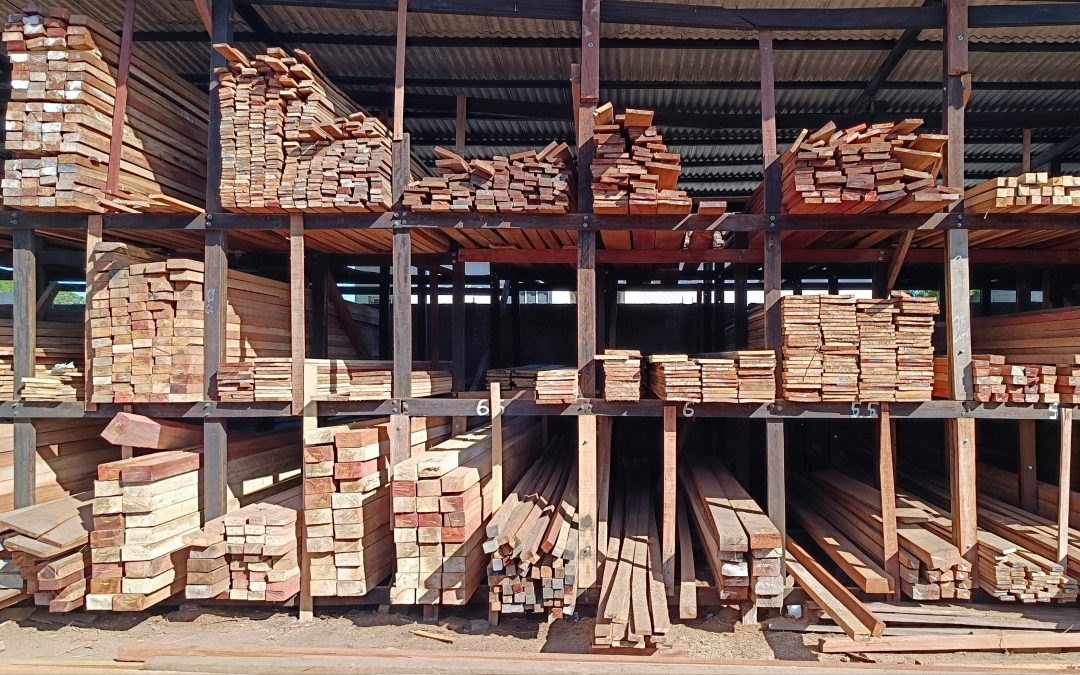
- Organized Storage Areas: Designate specific zones for different materials.
- Protection from Elements: Store materials like cement, timber, and steel in covered areas to prevent damage.
- Easy Accessibility: Keep frequently used materials close to work areas to reduce transport time.
- Proper Handling Equipment: Use forklifts, trolleys, and cranes to safely move heavy materials.
Well-organized storage prevents damage, reduces accidents, and improves workflow.
Tracking and Inventory Management
Monitoring materials throughout the project is essential:
- Inventory Records: Keep logs of quantities delivered, used, and remaining.
- Regular Audits: Check inventory frequently to detect shortages or overstock.
- Software Tools: Digital solutions can automate tracking, generate reports, and alert managers when stock runs low.
Accurate tracking ensures materials are available when needed and helps manage costs effectively.
Minimizing Waste and Recycling
Reducing waste is a crucial aspect of management of construction materials:
- Cutting and Measuring Accurately: Avoid overcutting wood, metal, or other materials.
- Reusing Leftovers: Salvage materials for future use or small repairs.
- Recycling: Dispose of materials like concrete, steel, and plastic responsibly.
Sustainable practices save money and support environmentally responsible construction.
Final Takeaway
The management of construction materials is more than just keeping an inventory—it is about planning, organizing, tracking, and protecting resources to optimize efficiency. From accurate procurement to proper storage, handling, and waste reduction, effective material management ensures that construction projects stay on time, within budget, and of high quality.
By implementing structured material management practices, project managers and builders can reduce costs, prevent delays, and maintain a safe, organized site. It is an investment in both the success of the project and the long-term sustainability of construction operations.