
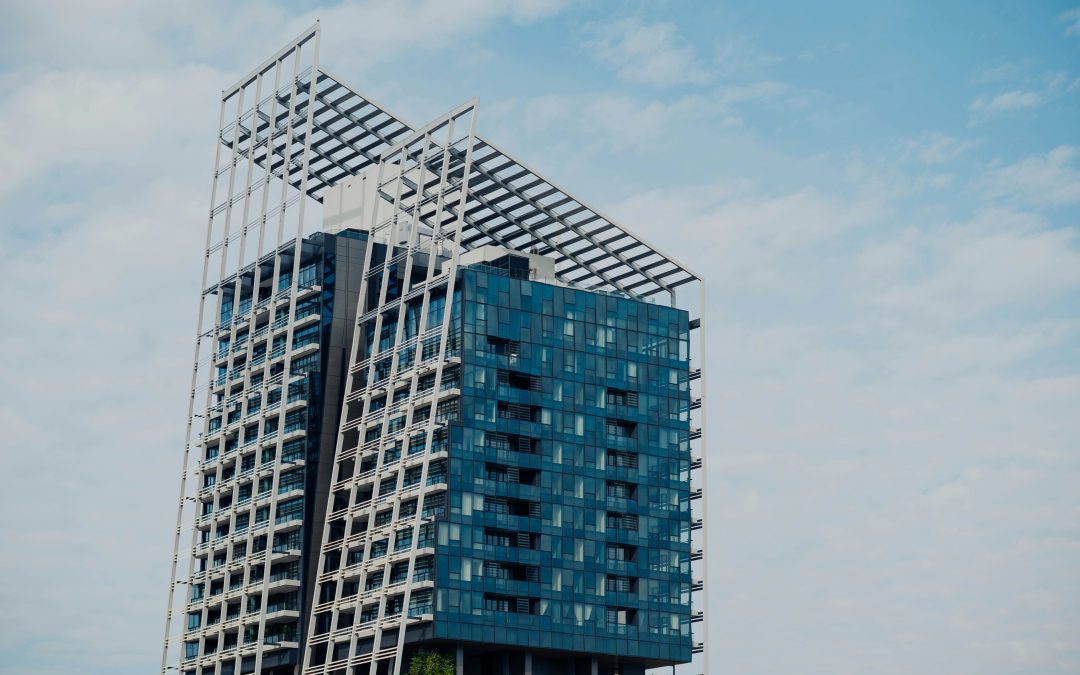
The construction industry is evolving rapidly, driven by the need for efficiency, sustainability, and quality. Innovative construction techniques are changing how buildings are designed and built, offering faster timelines, lower costs, and more durable structures. Whether you are a professional in the field or a homeowner interested in modern methods, understanding these techniques can provide valuable insights.
Prefabrication and Modular Construction
One of the most transformative innovative construction techniques is prefabrication and modular construction. In this approach, building components such as walls, floors, and roofs are manufactured off-site in a controlled environment and then assembled on-site.
Benefits include:
- Reduced construction time
- Lower labor costs
- Improved quality control
- Minimal material waste
Modular construction is particularly popular in residential housing, hotels, and office buildings because it allows for faster project completion while maintaining high-quality standards.
3D Printing in Construction
3D printing is another cutting-edge technique revolutionizing the industry. Large-scale 3D printers can create building components or even entire structures using concrete or composite materials.
Advantages of 3D printing:
- Ability to create complex and customized designs
- Reduced construction waste
- Faster production of building components
- Lower overall project costs
Some companies are even using 3D printing to construct affordable housing quickly, making sustainable housing more accessible worldwide.
Green and Sustainable Techniques
Environmental concerns have encouraged builders to adopt green construction methods. These innovative construction techniques focus on energy efficiency, renewable materials, and reducing the environmental footprint of buildings.
Examples include:
- Using recycled or sustainable materials such as bamboo, reclaimed wood, or recycled steel
- Implementing green roofs or vertical gardens
- Installing energy-efficient windows, insulation, and HVAC systems
Sustainable construction not only benefits the environment but also reduces long-term energy costs for building owners.
Robotics and Automation
Automation is transforming construction sites by improving efficiency and safety. Robotics can handle tasks like bricklaying, painting, and even demolition, reducing manual labor and human error.
Benefits of robotics in construction:
- Increased precision and accuracy
- Enhanced safety on construction sites
- Reduced project timelines
- Cost savings through optimized labor use
By incorporating robotics, construction companies can complete complex projects faster while maintaining consistent quality.
Advanced Materials
The development of advanced construction materials is another innovative approach reshaping the industry. High-performance concrete, self-healing materials, and lightweight composites are examples that offer durability, flexibility, and sustainability.
Why advanced materials matter:
- Extend the lifespan of structures
- Reduce maintenance requirements
- Improve resistance to weather, corrosion, and seismic activity
Using these materials allows architects and engineers to push the boundaries of design while ensuring long-term performance.
Building Information Modeling (BIM)
BIM is a digital construction technique that uses 3D models to plan, design, and manage building projects. It enables architects, engineers, and contractors to collaborate efficiently and detect potential issues before construction begins.
Advantages of BIM:
- Improved project coordination
- Reduced errors and rework
- Accurate cost estimation and scheduling
- Enhanced visualization for clients and stakeholders
BIM has become a standard practice in modern construction, improving project outcomes and client satisfaction.
Prefab Panels and Lightweight Systems
Lightweight panels and modular wall systems are innovative construction techniques that reduce building weight while maintaining structural integrity. These systems are especially useful in earthquake-prone areas or where rapid construction is required.
Benefits include:
- Faster installation
- Reduced foundation requirements
- Versatile design options
- Lower transportation and labor costs
These techniques allow for efficient construction without compromising safety or aesthetics.
The Future of Construction
As technology continues to advance, the construction industry will see even more innovative construction techniques. Smart sensors, AI-powered project management, and sustainable building practices are shaping the future, making construction safer, faster, and more environmentally friendly. Adopting these methods helps builders stay competitive while delivering superior structures.
Conclusion
Innovative construction techniques are transforming how buildings are designed, constructed, and maintained. From prefabrication and 3D printing to green building methods, robotics, and advanced materials, these approaches improve efficiency, quality, and sustainability. Whether for residential, commercial, or industrial projects, embracing these techniques ensures faster completion, lower costs, and long-lasting results. Staying informed about modern methods allows architects, engineers, and homeowners to make smarter decisions and contribute to a more sustainable and innovative future in construction.