
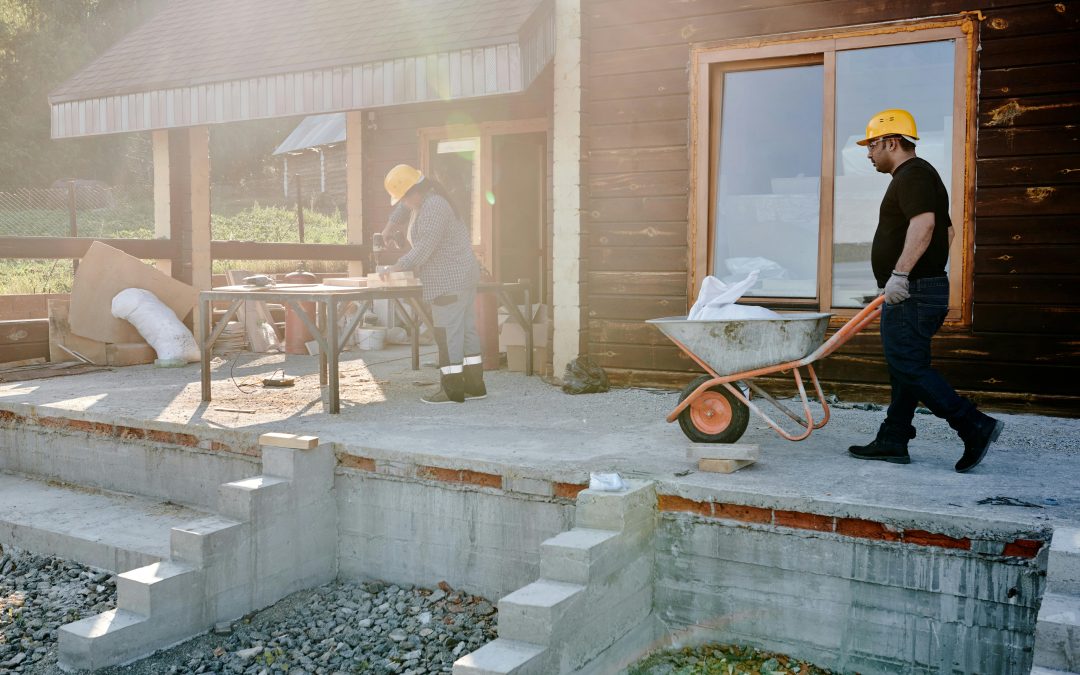
Home construction projects can be exciting, but they also come with risks if not managed carefully. From structural work to minor renovations, safety should always be a top priority. Knowing how to handle home construction safely ensures your property stays protected, workers remain secure, and your project runs smoothly. With practical planning, proper precautions, and clear communication, you can achieve your dream home without compromising safety.
Why Safety Is Crucial During Home Construction
Construction sites are inherently risky, even for small projects. According to the Occupational Safety and Health Administration (OSHA), falls, electrical hazards, and equipment accidents are among the leading causes of injuries in residential construction.
Prioritizing safety:
- Protects homeowners, workers, and visitors from accidents
- Prevents costly property damage and construction delays
- Ensures compliance with local building codes and regulations
- Reduces stress and promotes confidence throughout the project
Taking safety seriously helps your project proceed efficiently and without unexpected setbacks.
Plan Ahead Before Construction Begins
Proper planning is the foundation of safe home construction.
Planning steps include:
- Create a detailed project timeline outlining each stage
- Identify potential hazards in advance and develop mitigation strategies
- Confirm all necessary permits and inspections with local authorities
- Discuss safety protocols with your contractors and crew
Planning in advance minimizes surprises and sets clear expectations for safety measures.
Choose Reputable Contractors and Professionals
Selecting experienced professionals is a key part of learning how to handle home construction safely.
Tips for choosing contractors:
- Check references, credentials, and past project work
- Ensure contractors carry proper insurance and licensing
- Confirm that workers are trained in safety protocols
- Sign detailed contracts specifying responsibilities, timelines, and safety measures
Trusted professionals reduce risks and provide peace of mind during construction.
Secure the Construction Site
An organized and controlled construction site prevents accidents and protects property.
Site safety tips:
- Mark off the construction zone with barriers, cones, or caution tape
- Keep tools and equipment stored safely when not in use
- Ensure proper lighting for early morning or late afternoon work
- Limit access to authorized personnel only
Securing the area reduces the chance of injuries to family members or visitors.
Use Proper Protective Equipment
Personal protective equipment (PPE) is essential to prevent injuries during construction.
Recommended PPE includes:
- Hard hats to protect against falling debris
- Safety glasses or goggles for eye protection
- Gloves suitable for handling tools and materials
- Sturdy boots with slip-resistant soles
- Hearing protection when using loud equipment
Ensuring all workers and visitors wear appropriate PPE is a simple but effective safety measure.
Follow Electrical and Fire Safety Practices
Electrical work and flammable materials can create major hazards if not handled correctly.
Safety tips include:
- Hire licensed electricians for all wiring and electrical installations
- Keep flammable materials away from heat sources
- Have fire extinguishers accessible on site
- Test circuits and equipment before use to prevent accidents
Attention to electrical and fire safety prevents serious damage and protects everyone on site.
Maintain Clear Communication
Clear communication is critical for safe home construction.
Tips for effective communication:
- Hold regular safety meetings with workers and contractors
- Use signage to indicate hazards, restricted areas, or emergency procedures
- Keep a log of daily activities and any safety incidents
- Encourage workers to report unsafe conditions immediately
Good communication ensures everyone understands their responsibilities and reduces the likelihood of accidents.
Monitor Progress and Inspect Regularly
Regular inspections help catch potential issues before they become hazards.
Inspection tips:
- Check scaffolding, ladders, and temporary structures for stability
- Inspect tools and machinery for wear or malfunction
- Verify that safety barriers and signs remain intact
- Review completed work for adherence to building codes and plans
Routine monitoring maintains safety standards and keeps the project on track.
Prepare for Emergencies
Even with precautions, emergencies can happen. Being prepared ensures a fast, effective response.
Emergency tips include:
- Keep first aid kits easily accessible
- Have emergency contact numbers and procedures posted clearly
- Ensure fire exits or escape routes are unobstructed
- Train workers in basic first aid and emergency response
Preparation minimizes harm and helps everyone stay calm in critical situations.
Practical Takeaway for Homeowners
Knowing how to handle home construction safely starts with careful planning, selecting reputable contractors, securing the site, and using proper protective equipment. Following electrical and fire safety practices, maintaining clear communication, inspecting progress regularly, and preparing for emergencies ensures your project runs smoothly. Prioritizing safety not only protects property and people but also helps you complete your construction project efficiently and confidently.