
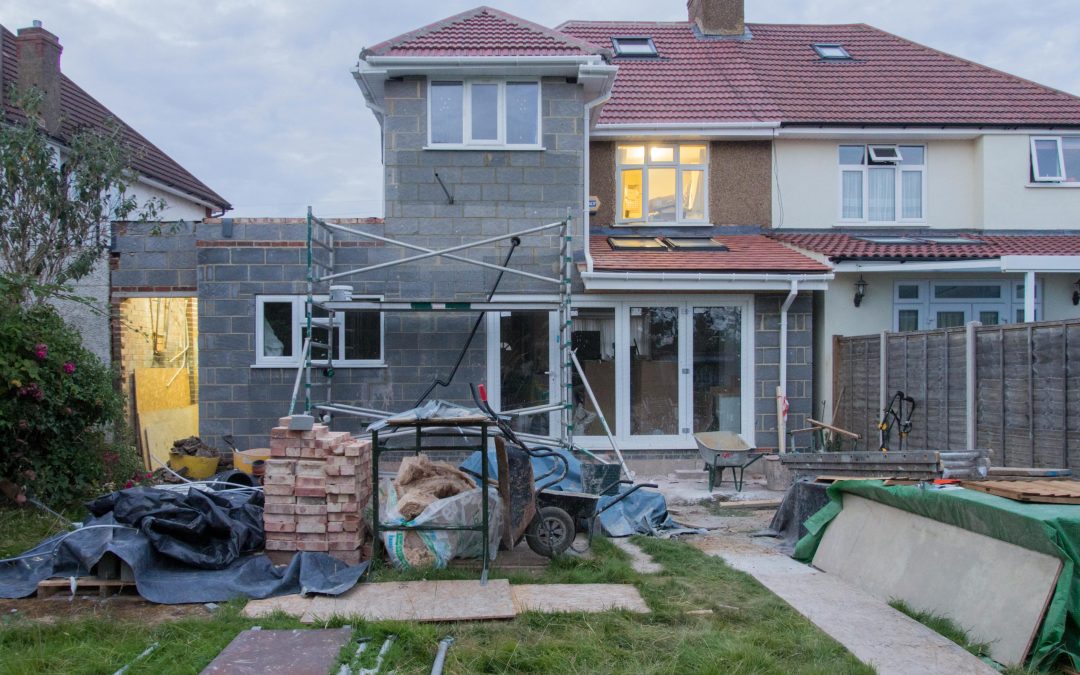
Building a home is an exciting journey, but it can quickly become stressful if timelines are not carefully managed. Staying on schedule is critical to controlling costs, meeting expectations, and delivering a high-quality finished product. Understanding how residential construction projects stay on schedule helps homeowners, contractors, and project managers ensure smoother workflows and predictable outcomes.
The importance of project scheduling
Time management is one of the most critical factors in residential construction. According to the National Association of Home Builders, delays in construction schedules can increase project costs by up to 20 percent. Proper scheduling ensures that every phase of construction, from foundation to finishing touches, is completed efficiently and without unnecessary interruptions.
A well-planned schedule also provides clear expectations for subcontractors, suppliers, and homeowners, keeping the entire team aligned.
Developing a detailed project plan
A strong project plan is the foundation of staying on schedule. Detailed planning involves breaking the construction process into phases with defined tasks, timelines, and responsibilities.
Key planning practices include:
- Creating a comprehensive construction timeline
- Assigning responsibilities to contractors and subcontractors
- Planning for procurement of materials and equipment
- Identifying potential bottlenecks or dependencies
Having a structured plan ensures that tasks are completed in the correct order and reduces the risk of delays.
Effective communication among teams
Communication is essential for staying on schedule. Homeowners, contractors, subcontractors, and suppliers must be on the same page throughout the project.
Communication strategies include:
- Regular progress meetings to review timelines and tasks
- Clear channels for reporting issues or changes
- Using project management software for real-time updates
- Maintaining a single point of contact for approvals and decisions
Consistent communication prevents misunderstandings and allows for quick problem-solving when issues arise.
Timely procurement of materials
One of the most common causes of delays in residential construction is waiting for materials. Timely ordering and delivery ensure that work continues without interruption.
Material management tips include:
- Ordering materials well in advance based on the construction schedule
- Maintaining relationships with reliable suppliers
- Using just-in-time delivery for bulky or perishable items
- Keeping an inventory of essential items to avoid last-minute shortages
Proper material planning keeps construction moving smoothly and avoids costly downtime.
Coordinating subcontractors efficiently
Residential construction involves multiple subcontractors, including electricians, plumbers, painters, and landscapers. Coordinating their schedules is key to avoiding conflicts and delays.
Coordination techniques include:
- Sequencing subcontractor work to prevent overlap
- Ensuring each team has the necessary resources before starting
- Scheduling inspections to align with subcontractor timelines
- Using a project manager to oversee workflow and deadlines
Effective coordination maximizes productivity and keeps the project on track.
Monitoring progress and adjusting timelines
Even with careful planning, unexpected issues can arise. Monitoring progress closely allows project managers to make timely adjustments and prevent delays from snowballing.
Progress monitoring strategies include:
- Tracking completed tasks against the project timeline
- Identifying delays early and implementing corrective measures
- Adjusting labor allocation to accelerate slow phases
- Keeping homeowners informed about changes or updates
Continuous monitoring ensures the project remains on schedule and meets quality standards.
Managing permits and inspections
Permits and inspections are often overlooked sources of delays in residential construction. Staying ahead of these requirements is essential for timely completion.
Permit management practices include:
- Submitting applications well before work begins
- Scheduling inspections in advance to align with project milestones
- Ensuring all paperwork is complete and compliant with local regulations
- Maintaining communication with regulatory authorities to address issues quickly
Proper management of permits and inspections keeps construction moving without unnecessary interruptions.
Using technology for efficiency
Modern technology helps residential construction projects stay on schedule by improving planning, tracking, and communication.
Technology solutions include:
- Project management software for real-time timeline tracking
- Mobile apps for on-site reporting and updates
- Cloud storage for plans, contracts, and permits
- Scheduling tools to coordinate subcontractors and deliveries
Technology reduces errors, enhances communication, and allows for better decision-making throughout the project.
Preparing for weather and unforeseen challenges
Weather and other unexpected events can impact construction timelines. Planning for contingencies helps projects stay on schedule despite these challenges.
Contingency strategies include:
- Including buffer time in the project schedule
- Preparing for weather-related delays with protective measures
- Having backup suppliers and subcontractors available
- Adjusting tasks to continue work in adverse conditions
Being proactive ensures that minor setbacks do not turn into major delays.
Conclusion
Staying on schedule is essential for the success of any residential construction project. By developing a detailed project plan, coordinating subcontractors, managing materials and permits, leveraging technology, and preparing for unforeseen challenges, homeowners and contractors can ensure timely, efficient, and high-quality builds. Understanding how residential construction projects stay on schedule empowers teams to deliver predictable results while minimizing stress, costs, and disruptions.