
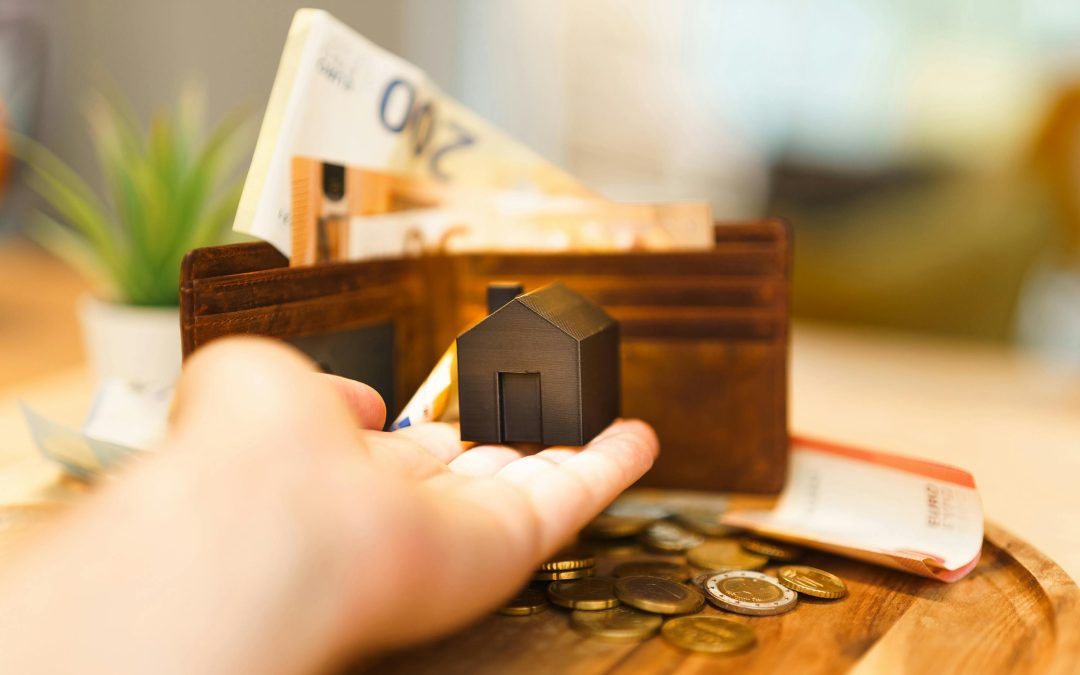
Thinking about adding more space to your home without expanding the footprint? You’re not alone. A lot of homeowners are choosing to build up instead of out, and it makes sense—especially if you love your location but your house is starting to feel a little tight.
Still, it’s a big move—literally—and knowing the cost to add a second story to a house is a crucial first step before diving into planning and permits. So let’s talk about the numbers, the process, and the things that can really affect your budget.
Why Add a Second Story Instead of Building Out?
There are a bunch of good reasons to build up instead of out:
- You don’t have the yard space to expand sideways
- You want to preserve outdoor living or garden space
- Zoning laws or property lines limit horizontal additions
- You need a lot more space—like double what you have now
In urban or dense suburban areas, going vertical is often the only option to gain significant square footage.
So, What’s the Average Cost to Add a Second Story to a House?
Let’s get to the numbers. On average, the cost to add a second story to a house in the U.S. ranges from $100,000 to $350,000 or more, depending on where you live and what kind of second story you’re building.
According to HomeAdvisor, the national average is about $175,000 to $250,000 for a full second-story addition that includes a few bedrooms and a bathroom.
But there’s a wide range for a reason. The final cost depends on a bunch of things, which we’ll break down next.
What Factors Affect the Cost?
Adding a second story is basically like building a new house on top of your current one—except trickier, because your existing home still needs to stay safe and livable during construction. Here are some major cost drivers:
1. Structural Reinforcement
Before anything goes up, an engineer will check if your foundation and lower level can support a new story. If not, you might need costly reinforcements.
2. Size and Layout
Are you adding a full second floor or just a partial one (like a master suite or bonus room)? The more square footage, the higher the cost.
3. Access and Stairways
You’ll need a staircase—and that means either losing some space downstairs or bumping out slightly to accommodate it.
4. Plumbing, HVAC, and Electrical
Running new systems upstairs can add significantly to your cost, especially if you’re adding a bathroom.
5. Roof Removal and Replacement
Unless you’re doing a modular lift, your existing roof will likely need to come off—and you’ll need a new one once the addition is framed.
6. Permits and Design Fees
Architects, engineers, and building permits all add up. In some areas, permitting alone can cost thousands.
Real-Life Example
Let’s say you live in a mid-size city and want to add a 900-square-foot second floor with two bedrooms and a bathroom. Here’s a rough breakdown:
- Construction cost (avg $200/sq ft): $180,000
- Design + engineering fees: $10,000
- Permits and inspections: $3,000
- Staircase install: $5,000–$10,000
- Total estimated cost: $200,000–$210,000
That’s just a ballpark—but it’s a useful starting point.
Is It Cheaper to Move?
It might seem like moving is cheaper, and in some cases it is. But remember: moving comes with costs too—realtor fees, moving services, closing costs, and possibly a bigger mortgage. Plus, if you love your neighborhood or school district, adding on may be a better long-term move.
Tips to Keep Costs Under Control
If you’re committed to adding a second story, here are a few ways to manage the budget:
- Work with an experienced design-build firm to keep communication and costs aligned
- Choose simpler layouts (straight lines and basic shapes cost less to frame)
- Plan ahead for future plumbing or electrical needs so you don’t open up walls twice
- Live off-site during construction if possible—it may speed things up and save on labor
Final Thoughts: Is It Worth It?
Adding a second story is a big project—no doubt about it. But it can completely transform your home, giving you the space you need without giving up the location you love.
Just go into it with clear expectations. Get multiple bids, work with reputable professionals, and make sure your structure can handle the weight. And most importantly, don’t skip the permits—it’s not worth the risk.
If you’re wondering whether the cost to add a second story to a house is worth it, think long-term. If you plan to stay in your home for many years, it often pays off in both comfort and resale value.
Want help planning or budgeting? A local contractor or design-build team can walk you through what’s possible—and what’s practical—for your specific home.