Starting a construction project feels exciting at first. Whether it is a new home, renovation, or extension, everything looks great on paper. But here is the reality. Most budget overruns do not happen during construction. They happen during planning.
In fact, studies from the Construction Industry Institute show that poor planning and design changes are among the top reasons for project cost overruns, sometimes increasing total expenses by 20 to 30 percent or more.
Understanding construction planning mistakes that increase costs can help you avoid delays, stress, and unnecessary spending before the first brick is even laid.
Let’s go through the most common mistakes and how to avoid them.
Poor Budget Planning From the Start
One of the biggest mistakes is setting an unrealistic budget or not planning for hidden costs.
Many people focus only on visible expenses like materials and labor, but forget about:
- Permit fees
- Design changes
- Site preparation
- Utility connections
- Unexpected repairs
Without a clear and flexible budget, costs can quickly spiral out of control.
A good rule of thumb is to include a contingency buffer of at least 10 to 20 percent for unexpected expenses. This simple step is one of the most effective ways to avoid construction planning mistakes that increase costs.
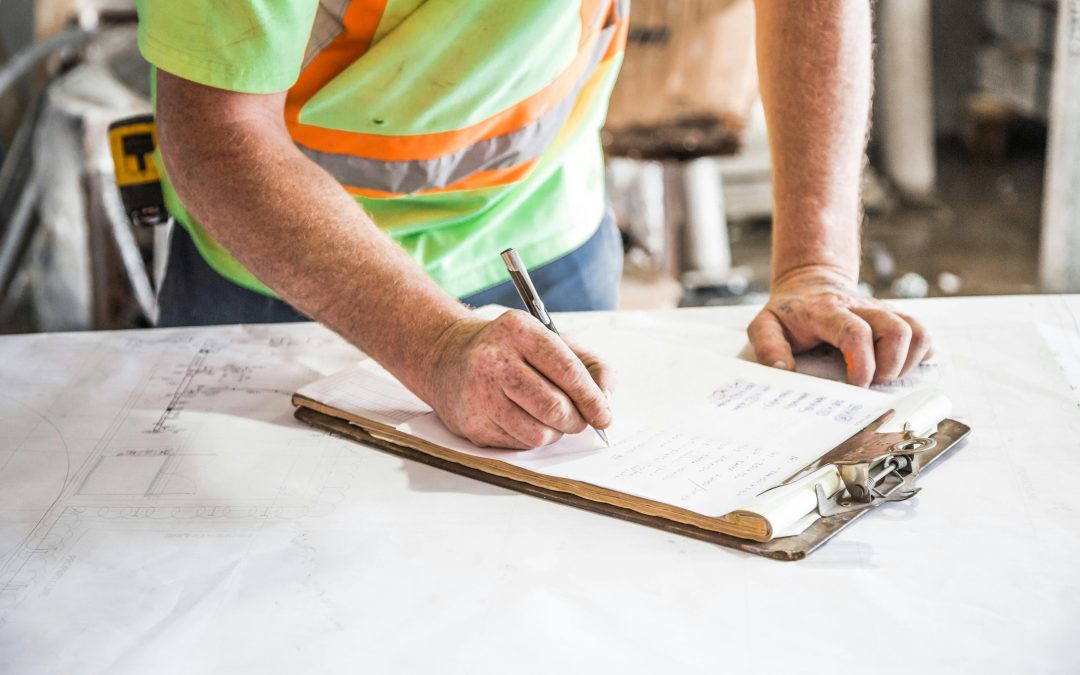
Skipping Detailed Project Planning
Jumping into construction without a detailed plan is like starting a long trip without a map.
A proper construction plan should include:
- Architectural drawings
- Material specifications
- Timeline breakdown
- Contractor responsibilities
Without these details, decisions get made on the fly, and last-minute changes become expensive.
Every change during construction usually costs more than if it was planned in advance.
Underestimating Material Costs
Material prices can fluctuate significantly depending on market conditions. Failing to account for this can lead to budget shortages halfway through the project.
Common mistakes include:
- Not comparing multiple suppliers
- Ignoring delivery fees
- Choosing materials based only on initial price
For example, global supply chain disruptions in recent years caused sharp increases in construction material costs in many regions, showing how unpredictable pricing can be.
Proper research and early purchasing agreements can help stabilize costs.
Hiring the Wrong Contractors
Choosing contractors based only on the lowest price is a mistake that often leads to higher costs later.
Poor-quality work can result in:
- Rework and repairs
- Project delays
- Material waste
- Safety issues
Experienced contractors may cost more upfront, but they often save money in the long run by getting the job done right the first time.
This is one of the most overlooked construction planning mistakes that increase costs.
Ignoring Site Conditions Before Starting
Every construction site is different, and failing to assess conditions properly can lead to unexpected expenses.
Important factors include:
- Soil stability
- Drainage conditions
- Access to utilities
- Environmental restrictions
For example, poor soil conditions may require additional foundation work, which can significantly increase costs if not planned early.
A proper site evaluation prevents costly surprises during construction.
Frequent Design Changes During Construction
Changing designs once construction has started is one of the fastest ways to increase costs.
Each change can affect:
- Material orders
- Labor schedules
- Structural requirements
- Permits and approvals
Even small design adjustments can create a chain reaction of additional expenses.
This is why finalizing the design before construction begins is critical.
Poor Communication Between Teams
Construction projects involve multiple parties including architects, engineers, contractors, and suppliers.
When communication breaks down, mistakes happen.
Common issues include:
- Misinterpreted plans
- Delayed approvals
- Incorrect material usage
Clear communication channels and regular updates help keep everyone aligned and reduce costly errors.
Not Planning for Weather Delays
Weather is often unpredictable, but many projects fail to account for it.
Rain, extreme heat, or storms can delay construction schedules, leading to:
- Extended labor costs
- Equipment rental extensions
- Material storage issues
Building a realistic timeline with weather buffers helps avoid unnecessary financial strain.
Overlooking Permits and Regulations
Skipping or delaying permits can lead to serious legal and financial consequences.
Without proper approvals, you may face:
- Fines or penalties
- Forced construction stops
- Redesign requirements
Each delay adds to overall project costs, making this one of the most critical construction planning mistakes that increase costs.
Poor Project Scheduling
A poorly structured timeline can create inefficiencies on site.
Examples include:
- Workers waiting for materials
- Overlapping tasks causing confusion
- Equipment sitting idle
Efficient scheduling ensures that every part of the project flows smoothly, saving both time and money.
Not Considering Long-Term Maintenance Costs
Focusing only on upfront costs can lead to expensive maintenance later.
For example:
- Cheap materials may wear out faster
- Poor insulation increases energy bills
- Low-quality fixtures require frequent replacement
Good planning considers both construction and long-term ownership costs.
Lack of Contingency Planning
Even the best-planned projects face unexpected challenges.
Without a backup plan, small issues can turn into major financial setbacks.
A strong contingency plan includes:
- Extra budget allocation
- Flexible timelines
- Alternative material options
This helps keep the project stable when surprises happen.
Final Thoughts
Construction projects are complex, but most cost overruns are preventable. The key is careful planning, realistic budgeting, and clear communication from the beginning.
Avoiding construction planning mistakes that increase costs is not just about saving money. It is about creating a smoother, more predictable building process with fewer delays and less stress.
When you plan properly, you are not just building a structure. You are protecting your investment and ensuring long-term value.